Protective workwear
Movement, heat, flame, static or chemical exposure must be defined by the applicable garment and market. Fiber, weave, GSM, tensile, tear and flame method belong in the brief; textile data alone does not qualify complete PPE.
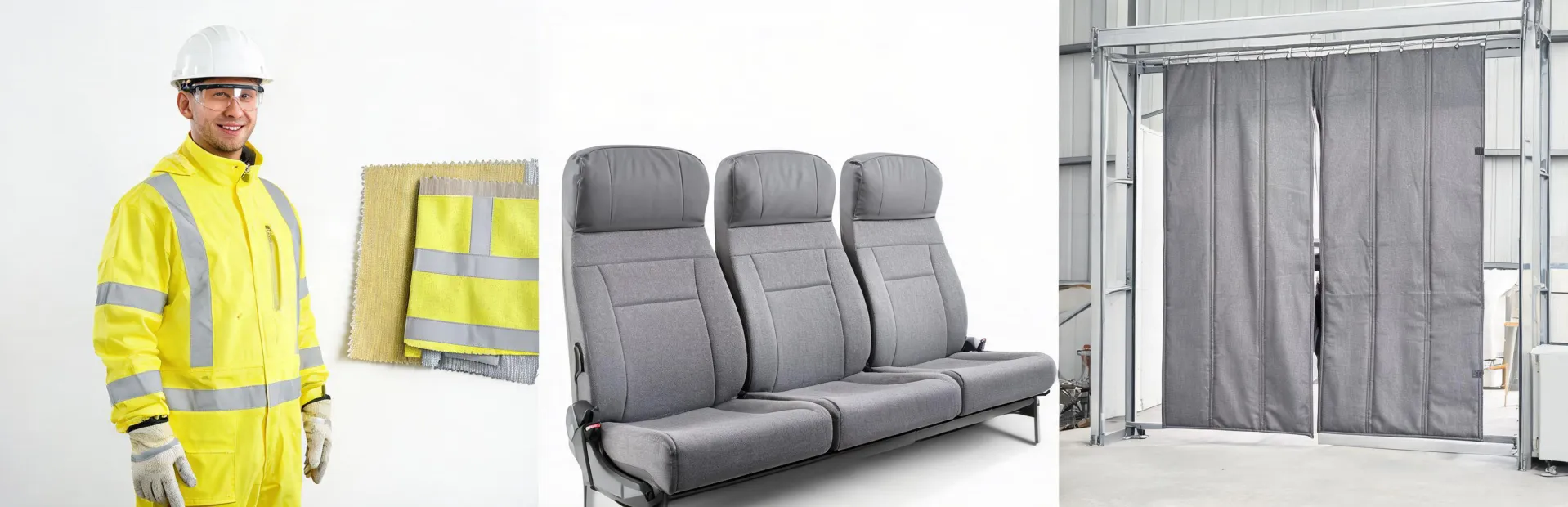
Application stories
Contact, cleaning, exposure, movement, assembly and market requirements change the construction and evidence needed from the same broad textile category.
Movement, heat, flame, static or chemical exposure must be defined by the applicable garment and market. Fiber, weave, GSM, tensile, tear and flame method belong in the brief; textile data alone does not qualify complete PPE.
Seat build-up, repeated contact, cleaning, color transfer and jurisdiction-specific flame or smoke methods shape the upholstery package. A changed backing can alter the assembly response.
Abrasion, flexing, air permeability, dimensional stability, closure design and maintenance conditions determine the verification route. Coated and laminated systems involve different handling and repair trade-offs.
Handfeel, appearance, pilling, abrasion, cleaner compatibility and usable width are balanced against budget and replacement access. Laboratory cycles do not establish universal field life.
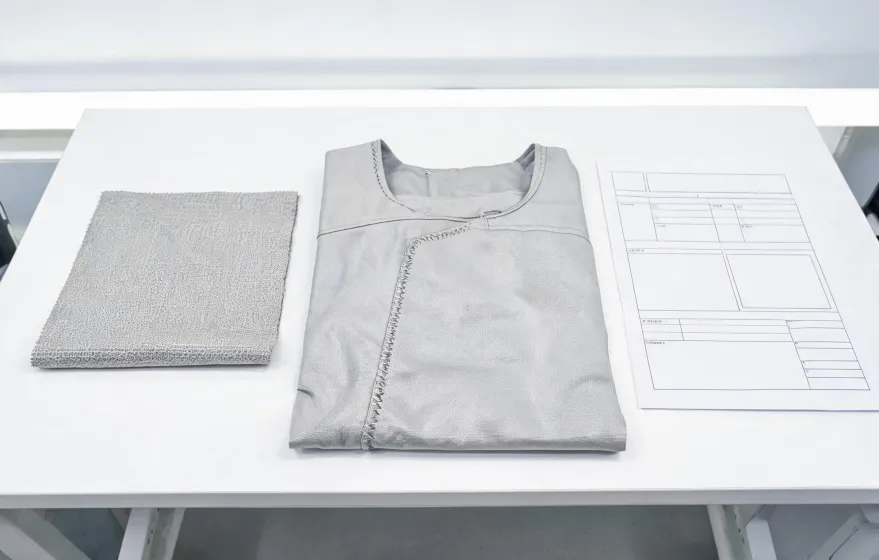
The team identifies the hazard, garment layer, applicable method, after-care condition and required result. The outcome is a sample and evidence request, not an unconditional fireproof claim.

The textile, backing, foam, adhesive and seam are recorded separately. Existing reports are screened for applicability before an assembly test is scheduled.

The cleaner, dilution, dwell time, wiping material and repetitions are stated. Color and finish are reviewed after the agreed sequence rather than after an informal spot test.
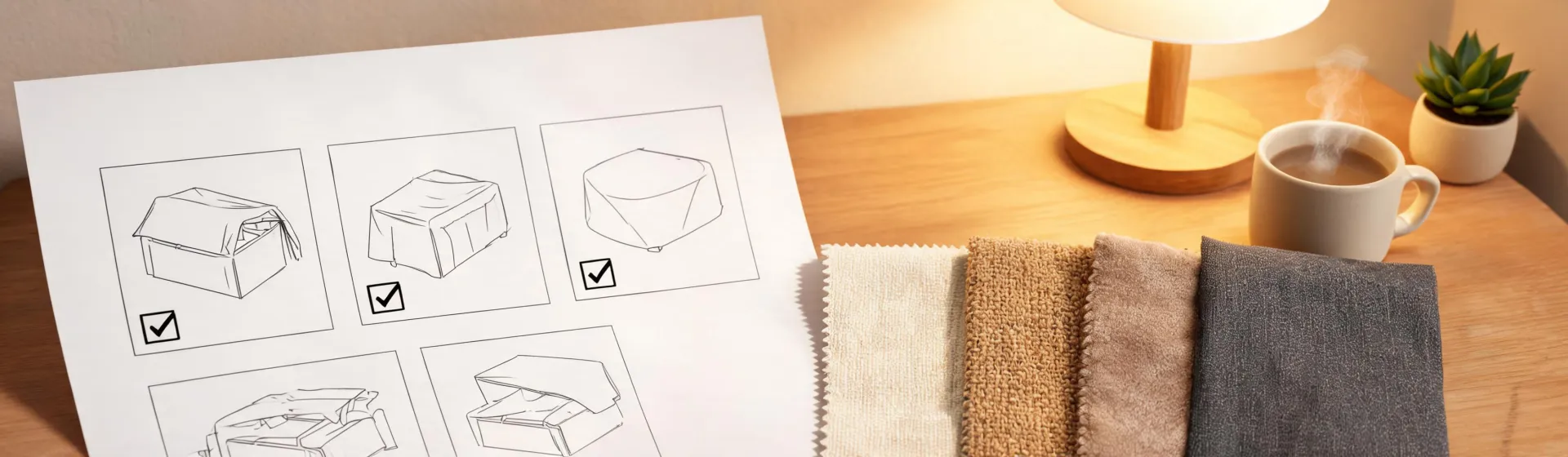
Share the contact, exposure, care and assembly conditions that should guide the shortlist. Note the governing market, finished-system boundary, expected replacement access and any method already written into the specification. These details prevent a component result from being presented as an assembly qualification.