Brief translation
We organize end use, contact, environmental exposure, care, fiber content, weave, GSM, usable width, finish, quantity, budget and destination. Missing inputs stay marked open instead of being replaced by assumptions.

Sampling and specification support
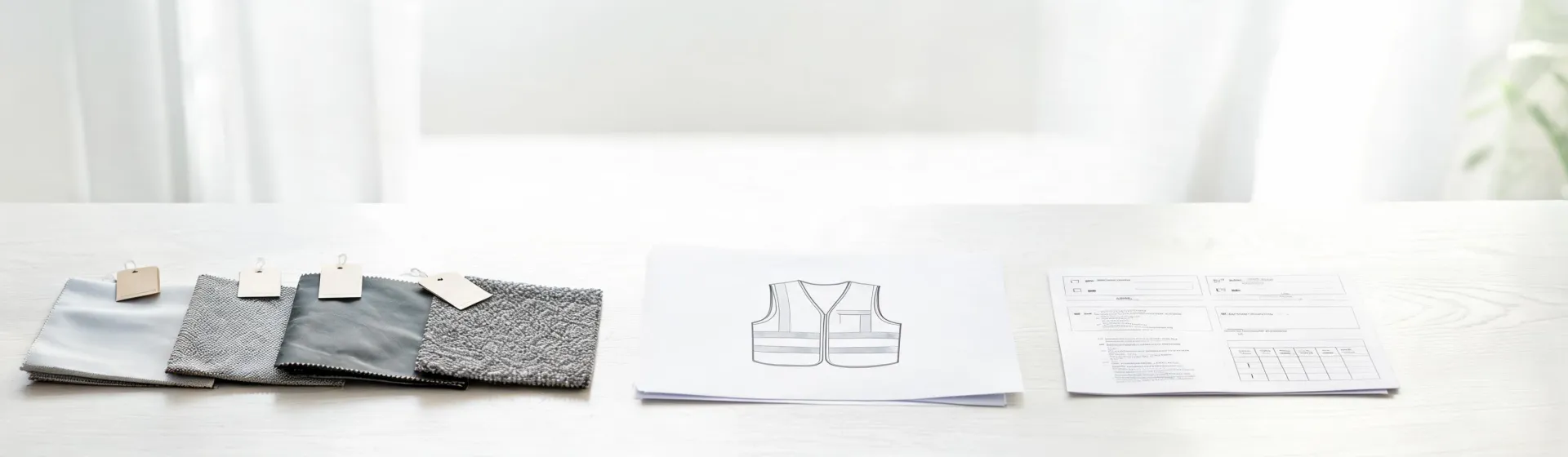
A fabric program moves more smoothly when design intent, construction fields, sample purpose, test context and order records remain visible at the same time.
We organize end use, contact, environmental exposure, care, fiber content, weave, GSM, usable width, finish, quantity, budget and destination. Missing inputs stay marked open instead of being replaced by assumptions.
A lab dip checks a color direction, a strike-off or handloom checks a developing construction, and trial yardage supports cutting or sewing. Each stage receives its own reference and approval purpose.
Abrasion, colorfastness, pilling, tensile, tear or flame claims are reviewed with the named method, specimen condition, endpoint and product scope. Results from different methods are not treated as interchangeable.
The approved shade, construction, tolerance, dye lot, inspection responsibility and available documents are connected to the purchase record. Changed backing, finish or color triggers a relevance review.
These counters describe the review workflow. They are not capacity, customer, laboratory or performance statistics. Actual test availability and commercial timing are confirmed for the selected material.
Send the application, required construction, known method list, quantity and target approval date. Include the approved color reference, intended assembly and any existing report that needs a relevance check. The response will distinguish questions answerable from documents from those requiring a conditioned specimen, fabrication trial or finished-system evaluation. State whether each requirement is mandatory, targeted or still open for advisor input.